



Navigating the complex relationship between gambling and mental health impacts
The Psychological Effects of Gambling
The psychological effects of gambling can be profound and multifaceted. Engaging in gambling activities often triggers a rush of adrenaline and excitement, which can initially feel exhilarating. However, for some individuals, this high can evolve into a form of escapism, where the thrill of betting becomes a coping mechanism for underlying emotional issues such as anxiety, depression, or low self-esteem. This duality underscores the complexity of gambling’s allure, where the initial thrill can mask significant mental health ramifications. For those interested in exploring options, consider checking out https://jackpot-village-casino-uk.com/, a platform that emphasizes responsible gaming.
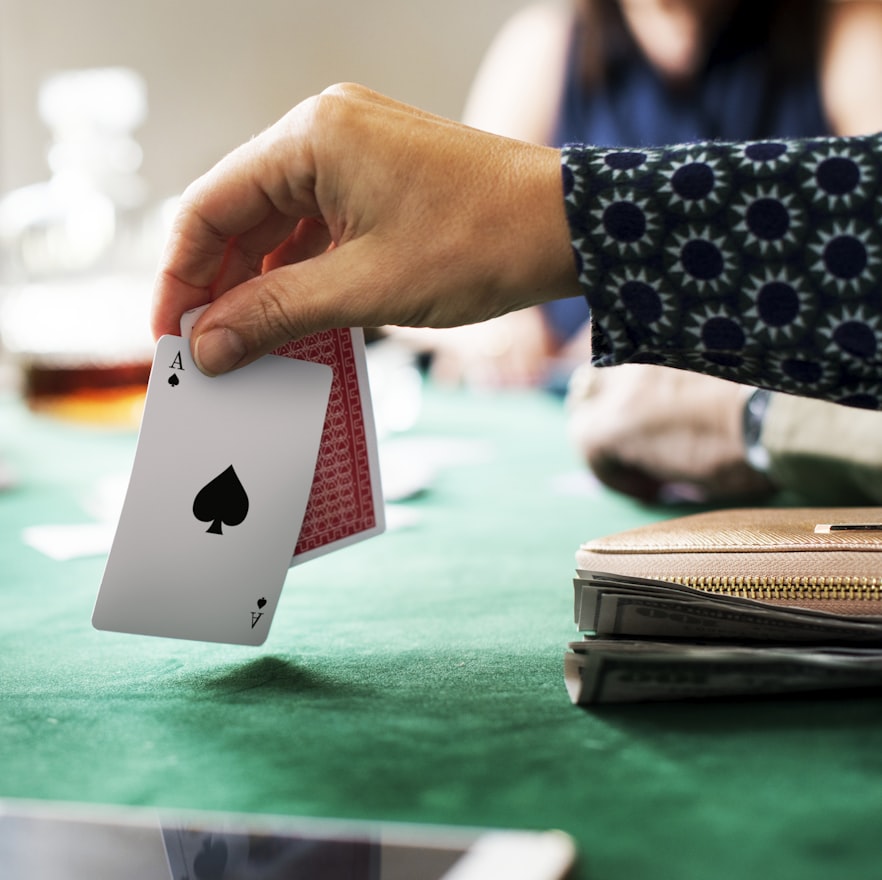
Research has shown that a substantial number of individuals who engage in gambling exhibit signs of psychological distress. This distress can manifest in various forms, including increased anxiety and depression, feelings of isolation, and even exacerbation of pre-existing mental health disorders. The slippery slope of gambling addiction can transform harmless enjoyment into a compulsive behavior, severely impacting an individual’s emotional well-being and social relationships.
The social stigma surrounding gambling and its associated mental health impacts often leads to a lack of open dialogue. Many individuals suffering from gambling addiction feel ashamed, which can deter them from seeking help or discussing their experiences. This silence perpetuates a cycle of suffering, where individuals are left to navigate their mental health struggles alone, further complicating their relationship with gambling and increasing the risk of severe psychological consequences.
The Link Between Gambling Addiction and Mental Health Disorders
Understanding the connection between gambling addiction and mental health disorders is crucial for identifying effective treatment strategies. Studies indicate a significant correlation between problem gambling and various mental health issues, including depression, anxiety disorders, and substance abuse. Individuals grappling with these conditions are often more susceptible to developing gambling problems, as they may turn to gambling as a form of self-medication.
The symptoms of gambling addiction can also exacerbate existing mental health disorders. For instance, the financial strain and relationship conflicts that often accompany gambling can lead to increased feelings of hopelessness and despair in individuals already struggling with depression. Moreover, the isolation experienced by many gambling addicts can intensify anxiety, creating a vicious cycle that can be challenging to break without professional intervention.
Addressing both gambling addiction and co-occurring mental health issues is essential for effective treatment. Integrated approaches that focus on both aspects can lead to more successful recovery outcomes. Therapies that incorporate cognitive-behavioral strategies, mindfulness practices, and support groups can provide individuals with the tools they need to manage both their gambling behaviors and their mental health more effectively.
Coping Strategies for Mental Health and Gambling
Developing effective coping strategies is vital for individuals struggling with the intersection of gambling and mental health issues. One such strategy involves setting clear boundaries around gambling activities. Individuals can establish limits on time and money spent on gambling, allowing them to enjoy the activity without succumbing to its potential pitfalls. These boundaries can serve as protective measures, promoting mindfulness and awareness of the emotional triggers that may lead to harmful gambling behavior.
Another valuable coping mechanism is seeking social support. Talking openly with trusted friends, family members, or support groups can provide an outlet for discussing feelings and experiences related to gambling. Sharing these struggles can alleviate feelings of isolation and promote a sense of community, which is often crucial for mental health recovery. Support networks can also encourage accountability and reinforce positive behaviors.
Engaging in alternative activities that promote mental well-being is equally important. Finding hobbies, pursuing physical fitness, or participating in creative endeavors can divert attention from gambling and contribute to improved mental health. These activities not only offer enjoyment but also foster a sense of accomplishment and fulfillment, helping individuals build resilience against the temptations of gambling.
The Role of Education and Awareness
Education and awareness play a critical role in addressing the complex relationship between gambling and mental health. By increasing public understanding of the potential risks associated with gambling, individuals can make informed decisions that prioritize their well-being. Educational initiatives can help demystify gambling behaviors and promote discussions that challenge societal norms about gambling, particularly in cultures where it is viewed as a harmless pastime.
Awareness campaigns that highlight the signs of problem gambling can empower individuals to recognize early warning signs in themselves or loved ones. Increased awareness can encourage timely intervention and reduce the stigma surrounding gambling addiction and mental health struggles. Educational programs can also introduce effective coping strategies and the importance of seeking help, thereby fostering a proactive approach to mental health and gambling.
Furthermore, integrating mental health education into gambling establishments can create a supportive environment for those who may be at risk. Training staff to recognize signs of distress and providing resources for help can facilitate early intervention. By fostering a culture of support within the gambling community, we can promote healthier gaming habits and mitigate the negative mental health impacts associated with gambling.

Explore the Thrills Safely at Jackpot Village Casino
At Jackpot Village Casino, players can enjoy a vast array of gaming options while prioritizing their mental health. With over 2,300 games to choose from, including slots and live dealer experiences, the excitement is palpable. However, it’s essential to approach gaming responsibly, and Jackpot Village provides resources to help players establish healthy boundaries.
Recognizing the relationship between gambling and mental health, Jackpot Village Casino encourages its players to engage in responsible gaming practices. The platform offers support tools and options for self-exclusion to foster a safe and enjoyable gaming experience. Understanding the importance of mental well-being is integral to the casino’s mission, making it a responsible choice for gaming enthusiasts.
Ultimately, navigating the complex relationship between gambling and mental health requires awareness, education, and support. Jackpot Village Casino aims to create an environment where players can enjoy their gaming experience while remaining mindful of their mental health, ensuring that the excitement of gaming does not overshadow the importance of well-being.